Crystal, as a Licensed Master Social Worker in a Level I trauma center, could you introduce yourself and describe the scope of your role on the multidisciplinary team?
My name is Crystal Wilson, LCSW and I have been working as a medical pediatric social worker for about 8 years at Memorial Hermann Hospital in the medical center. As a level one trauma center, we experience a wide variety of patients including acute trauma, child abuse, chronic conditions, and homelessness.
Our role varies throughout hospitalization but includes advocacy, case management, facilitating safe discharges, and preventing unnecessary readmissions through providing resources and engagement through community partners.
What experiences led you into hospital-based trauma social work and shaped your crisis‑intervention approach?
Before transitioning to the hospital setting, I worked with Child Protective Services within the Child Death and Sexual Abuse units. This background provides me with a unique lens; I can now bridge the gap between a patient’s medical needs and the critical psychosocial resources required for their recovery.
Collaborating within a multidisciplinary team has been incredibly rewarding. My colleagues know they can rely on me to be a versatile advocate, stepping in to fill any gaps in care. I take my role as a social worker deeply seriously—acting as a support and anchor for families navigating the intensity of an acute crisis during hospital admissions.
When a high-risk patient or family arrives in a crisis, what is your first five-minute playbook, and why does it work in a trauma bay?
When a family enters a trauma bay, they aren’t just in a room—they are in a storm of adrenaline and profound uncertainty. My five-minute playbook is to serve as the structural anchor.
By setting clear expectations and translating the ‘unknowns’ into a roadmap, I provide a safe, stable harbor during what is often the worst day of their lives. I bridge the gap between high-stakes medical intervention and the family’s need for reassurance, affirming that our world-class specialists are doing exactly what they were trained to do.
Building from initial stabilization, how do you create a safe discharge plan for a child or at‑risk caregiver, and how do you coordinate with CPS, kin, and—when appropriate—adoption agencies in Texas?
When a caregiver independently chooses adoption during a high-stakes crisis, my role is to facilitate a clinical and emotional stabilization period that is distinct from any active CPS or law enforcement involvement.
I ensure that the social work department provides a neutral, safe harbor where the caregiver can explore reputable agencies and private placement options without the immediate pressure of state intervention. By creating this dedicated space, we can assess the caregiver’s informed consent and capacity to make a durable decision, ensuring they are choosing a path that aligns with their values rather than reacting solely to acute fear.
My focus is on providing a non-coercive framework that empowers the caregiver to select a safe, appropriate agent for the child, thereby transforming a moment of potential trauma into a structured, protective, and ethically sound discharge plan.
Can you share a de‑identified example of navigating complex psychosocial needs and eligibility (e.g., Medicaid/CHIP Perinatal, WIC, ECI, SNAP), including how you sequenced steps to prevent gaps in care?
In a recent case involving a high-risk family in crisis, I implemented a biopsychosocial assessment to prevent critical gaps in care during the transition from hospital to home. We began with a comprehensive Social Determinants of Health (SDOH) assessment, identifying immediate stabilization needs—specifically, food insecurity, looming utility shut-offs, and a lapse in school enrollment for the children.
By addressing these ‘survival-level’ needs first, we created the necessary stability to then address acute medical and mental health barriers that were preventing normal functioning. The final stage of the sequence involved a rigorous continuity-of-care plan, where I coordinated with case management to secure reliable medical transportation and specialized home equipment.
During admission we complete regular check-ins, ensuring the family remained medically compliant and emotionally supported, effectively moving them from a state of acute crisis to a sustainable, managed environment.
What are your go‑to strategies for securing community assistance and special funds quickly (such as Crime Victims’ Compensation, hospital charity care, United Way/2‑1‑1, or DV shelters) in Texas?
To ensure community assistance we have to start early, and be consistent. Funds and community resources are limited and being consistent and diligent is necessary to secure assistance.
I re-engage families when they feel defeated. I build and maintain relationships with community partners and never stop learning about all of the new resources that are being developed.
How do you provide guidance and support to a high-risk expectant mother in a trauma center in a way that helps ensure the best possible outcome for the mother and child—whether through adoption or parenting—while making sure her decision is fully informed, voluntary, and free from coercion, and that parenting and kinship care options are thoughtfully explored?
Providing guidance and support to high-risk patients is critical. Check-ins have to be regular and consistent as the family is already navigating so many unknowns. We will explore all possible outcomes and prepare accordingly. We want to be hopeful but also realistic so we can navigate and be prepared for challenges as they arise.
I have to be knowledgeable in the patient’s care and may have to do additional research to assure proper support and understanding. I facilitate family meetings with our interdisciplinary team to ensure the family feels supported, heard, and knowledgeable as they navigate these difficult decisions.
For substance‑exposed newborns, how do you build a practical Plan of Safe Care that aligns treatment engagement with CPS expectations and day‑to‑day supports?
For cases involving substance-exposed newborns (SEN), building a practical Plan of Safe Care (POSC) requires a transparent, tiered approach that balances clinical safety with parental empowerment. My process begins by evaluating the caregiver’s current level of substance use and their functional capacity to provide consistent, safe care.
I facilitate an honest dialogue about their desire to bond and parent, while simultaneously identifying the day-to-day supports—such as stable housing, reliable transportation, and childcare—needed to make that possible. I lead with radical transparency regarding CPS involvement, explaining clearly that while our shared priority is the newborn’s safety, our goal is to align their treatment engagement with state expectations to keep the family unit intact whenever possible.
This education helps demystify the process, replacing fear with a structured roadmap of what to expect, ensuring the family has the essential resources and medical education required for a safe discharge.
What one practice would you recommend to hospital teams and community partners—including adoption agencies—to improve follow‑through and safety in the first 72 hours after discharge?
The first 72 hours post-discharge are the most volatile, and a single follow-up attempt is rarely enough to ensure safety. I implement a ‘Triple-Contact Protocol,’ prioritizing at least three distinct touchpoints within those first three days. Families in crisis are often overwhelmed by the transition, and the logistical demands of daily life can easily cause medical instructions or appointments to slip through the cracks.
By staying persistent, I can cut through that noise to provide essential real-time education, reinforce medication compliance, and ensure they haven’t encountered barriers to their follow-up care.
This level of engagement transforms a standard discharge into a true safety net, ensuring the patient remains stabilized long after they leave our doors. I am also not the only one reaching out, our nurse case managers check as well as other multidisciplinary team members. The follow up is definitely a team effort.
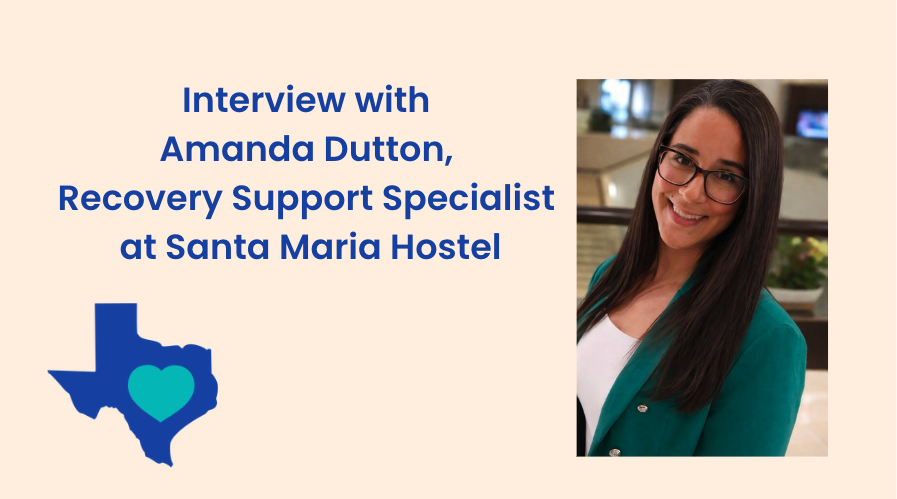
Amanda, for readers at Texas Adoption Center meeting you for the first time, how do you describe your work as a Recovery Support Peer Specialist and the communities you serve?
I love what I do and have a deep passion for helping the population I help. I work at Santa Maria Hostel with pregnant women and moms postpartum with babies 18 months and younger.
My role as a recovery support specialist is to help guide these women in their early recovery while navigating becoming a mother. I also provide help and support with all medical appointments.
We also deal with moms that have CPS so I walk with them through that journey as well. Our main focus is their recovery and staying sober so they can continually be the best mothers they can be.
What experiences led you into peer support with pregnant women facing substance use challenges, and how did that shape your approach today?
The experience that led me to peer support with pregnant women is that I WAS the pregnant woman at Santa Maria in 2020 obtaining the same services that I give the women today. The hope that I was given is my main drive for the hope that I give.
I know firsthand what it feels like to be pregnant and battling substance use disorder. It is so near and dear to my heart! It is possible, we do recover! The way I shape my approach is by sharing my story and experiences in hopes that they begin to believe in themselves.
When you first meet an expectant mom who is using substances, what do you do in the first 10 minutes to create safety and trust?
In the first 10 minutes, I make sure they understand that I understand. I make them feel heard and understood. That they are not alone and that I was in their shoes just a few years ago.
I listen to their needs and wants and ensure them that I will be side by side with them throughout the process.
Which trauma-informed practices have proven most effective for you in reducing shame and keeping moms engaged in care during pregnancy?
Safety, showing they can trust me, and being transparent. This allows them to open up so we can uncover what will truly work best for mom and baby.
I think my key piece is that I have been there. That right there is the best practice. My experience.
How do you help clients in Texas navigate prenatal care and medications for opioid use disorder while advocating for them in clinics and hospitals?
We have everything in our clinic from OB, to MAT services, to both psychiatrist and psychologist, ultrasound, recovery coaches, parent coaches, and social workers.
It’s a space where birth mothers are not judged or stigmatized and where they can open up about their struggles without hindering them, but actually helping them.
How do you prepare clients for delivery and potential hospital reporting or CPS involvement in Texas in a way that lowers fear and increases agency?
I’m very transparent and reassure that no matter the outcome we will be here throughout every step.
When a client is considering adoption, how do you collaborate with adoption professionals to support a noncoercive, recovery-centered decision process?
I ensure the mother gets set up with the Texas Adoption Center and let their specialists take over from there. I also provide comfort and reassurance by speaking on my own experience as I also chose adoption for my second child when I was in the depths of my addiction.
What do you want adoptive families to know about caring for newborns with prenatal substance exposure and about building a respectful relationship with the birth mom in recovery?
I want them to know that it can be very hard, and it’s a sensitive subject. And most importantly, to please hear what mother has to say and understand that the baby may need some extra care.
In the first six weeks after birth, what supports do you prioritize to help moms maintain recovery and stability, regardless of parenting or placement?
I focus in ensuring that the birth mother is always able to share how they are feeling. It is important to let them know they have a whole team who will walk with them. We have bed rest and an amazing clinical team as well. We also prioritize fighting to get baby back if that is the case, and staying sober to be able to achieve that.
Thanks for sharing your knowledge and expertise. Is there anything else you’d like to add?
I absolutely love what I do! It’s a very special population and I will always, no matter what my degree ends up being, (as I am in school) will work with pregnant women suffering with substance use disorder.
For readers at Texas Adoption Center, could you introduce yourself and share what you do as an Executive Director in nonprofit management focused on children and social services?
My name is Janelle Basham, and I serve as the Executive Director of BraveLove, a nonprofit dedicated to changing the perception of adoption by honoring birth mothers, sharing honest stories, and providing educational resources for professionals and the public.
My connection to this work is both professional and deeply personal. I became pregnant at 16 and made an adoption plan for my daughter, who is now an adult. That experience has shaped the course of my life and fuels my commitment to supporting women and families navigating the adoption journey.
In my role at BraveLove, I help guide the organization’s strategy, partnerships, and programs focused on storytelling, education, and community. Our work centers on creating spaces where adoption can be discussed with honesty and compassion—highlighting the voices and experiences of birth mothers while equipping professionals and communities with resources that foster understanding and support.
What pivotal experiences or mentors guided you into nonprofit leadership and toward work that intersects with adoption?
My path into nonprofit leadership and adoption work really began with my own story. When I was 16, I experienced an unplanned pregnancy and moved into a maternity home while trying to figure out what my future—and my daughter’s future—might look like. During that time, there were people—my social worker, counselor, and volunteers—who showed up for me with compassion, honesty, and encouragement. They gave me space to explore all of my options and to grieve the hard realities I knew were ahead.
They didn’t make the decision for me, but they created space for me to learn, ask questions, and ultimately make a plan that I believed was best for my daughter. Watching the way they cared for women during such a vulnerable season shaped my understanding of what thoughtful leadership in this space could and should look like.
The care and dignity I experienced during that season left a lasting imprint on my life and sparked a desire to support those coming behind me in their own adoption journeys.
From your community outreach across Texas, which adoption stigmas do you see most often that organizations should prioritize addressing first?
Adoption is deeply complex, and the stigma surrounding it is often rooted in misunderstandings about the people involved—birth parents, adoptees, and adoptive families alike.
One of the most significant stigmas I see is the sense of shame that can surround adoption and the individuals connected to it. For birth parents, that shame may come from assumptions about their decision, situations, or feelings that led them to an adoption plan. For adoptees and adoptive families, it can surface through misunderstandings about identity, belonging, or family structure. Much of this stems from limited knowledge or the way adoption is sometimes discussed in communities.
Language matters. When we use thoughtful and respectful adoption language, it honors everyone involved in the story. Words have the power either to reinforce stigma or to create greater understanding and compassion.
Organizations have an important opportunity to lead in this area by being intentional about how adoption is discussed and by creating spaces where all voices within the adoption community can be heard. When we honor the experiences of everyone involved, we help ensure that the child at the center of the story can grow up feeling secure in their identity and confident that they are deeply loved.
Thinking about program development, what single outreach tactic have you implemented that clearly shifted perceptions about adoption?
One of the most impactful outreach tactics BraveLove has implemented is creating a platform for honest storytelling from those whose lives have been touched by adoption.
When people are given space to share their experiences openly—whether birth parents, adoptees, adoptive parents, or others impacted—it helps remove the shame and misunderstandings that often surround adoption. It also creates room to acknowledge both the meaningful and the difficult parts of the journey so the adoption community can continue to learn and grow.
Through stories shared in videos, writing, and conversations, we’ve seen perceptions begin to shift. Instead of viewing adoption through stereotypes or simplified narratives, people start to see the real individuals and families behind each story and gain a deeper understanding of the love, complexity, and lifelong impact involved.
Storytelling creates a bridge that moves communities from misunderstanding toward empathy and respect.
How do you train staff and volunteers to discuss birth parents, adoptive families, and open adoption in ways that reduce shame and misinformation?
When training staff and volunteers, we need to acknowledge that adoption is complex and deeply personal for everyone involved—birth parents, adoptees, and adoptive families. Because of this, the way adoption is discussed matters.
A key focus is using respectful adoption language that avoids phrases that may unintentionally reinforce shame or stereotypes. The words we choose shape how people understand adoption and can either contribute to misunderstanding or encourage greater compassion and respect.
It’s important to spend time helping people understand modern adoption practices, including open adoption. Many people still carry outdated assumptions about what adoption looks like today. Providing clear information about openness and communication helps reduce misinformation and gives people a more accurate understanding of how relationships can exist between birth families and adoptive families.
We always emphasize the importance of listening to lived experiences. Hearing directly from birth parents, adoptees, and adoptive families helps people better understand the emotional depth and lifelong impact of adoption.Ultimately, we encourage conversations about adoption that recognize the dignity of everyone involved and support a child’s ability to grow up feeling secure in their identity and story.
In your public relations and fundraising campaigns, how do you craft ethical, strengths-based stories about adoption that protect privacy?
When sharing adoption stories, we begin with consent and collaboration. Individuals choose whether they want to share their story, how much they feel comfortable sharing, and how their experience will be represented. That level of transparency and partnership is essential.
We also focus on strength-based storytelling. Adoption stories are often complex and deeply personal, so our goal is to present them with honesty while highlighting resilience, love, and the thoughtful decisions people make along the way. We want stories to honor the dignity of everyone involved—birth parents, adoptees, and adoptive families—rather than oversimplify or sensationalize the experience.
Protecting privacy is also a key priority. We are careful about what details are shared and always allow individuals to review their story before it is published. In some cases, names or identifying details are changed or omitted to ensure that people feel safe and respected.
Ultimately, our goal is to share stories that educate and inspire while honoring the people behind them and protecting the relationships that continue long after the story is told.
Which partnership—such as with schools, healthcare providers, faith communities, or child welfare agencies—has been most effective for reaching audiences where stigma is strongest?
Our most meaningful impact has come through partnerships with organizations that already walk closely with individuals and families during important seasons of life—particularly adoption agencies, healthcare providers, pregnancy resource centers, and schools or universities.
These spaces often support individuals navigating complex decisions and help shape how adoption is understood within the broader community. When professionals have access to accurate information about adoption, it can reduce stigma and foster supportive conversations. Many of these partners utilize our free resources and videos to help guide those conversations and provide reliable information about modern adoption.
Partnerships like these allow us to meet people where questions and misunderstandings already exist and replace stigma with more informed conversations about adoption.
For birth parents and adoptive families navigating stigma day to day, what practical talking points or responses do you recommend?
When birth parents and adoptive families encounter stigma or difficult questions, it helps to have simple, respectful responses ready—because those questions will come, often while standing in line at the grocery store or at a school function. Many questions come from curiosity but may carry assumptions. And, as we all know, these conversations often happen when little ears are listening, making the words we choose even more important.
Birth parents may reframe a question by saying, “I didn’t give my child up—I made an adoption plan for my child.” Adoptive families can acknowledge the full story by sharing limited information, such as, “Our child has a birth family who loves them, and we are so thankful for that connection.”
It’s also important to know who to share with and how much of the story to share. Over the years, I’ve learned to assess when it’s helpful to educate someone and when it’s better to hold certain parts of my story close—especially if the person may not have the best intentions. At times, it’s also okay not to respond at all. Having a simple phrase ready—such as “That’s a personal part of our story”—can respectfully close the conversation.
Being confident in your response also sets a tone of respect. Often the goal isn’t to debate, but to model thoughtful language and set healthy boundaries. Over time, these everyday conversations can help shift how adoption is understood.
Looking ahead in Texas, what one policy or community-development initiative should nonprofits and supporters rally around to reduce adoption stigma?
One initiative I believe supporters should rally around is expanding adoption education and awareness in schools and community spaces. Many of the stigmas surrounding adoption exist because people have not been given accurate information or heard honest experiences from those whose lives have been impacted by adoption.
When young people grow up hearing honest conversations about adoption, it helps create communities where children connected to adoption feel less misunderstood and more supported. It also creates space to acknowledge that those experiences can include both love and loss, joy and grief. Families are formed in many ways—including through foster care, domestic private, international, stepparent, and kinship adoptions—and each child’s experience is unique.
By equipping educators, community leaders, and youth programs with resources and voices from the adoption community, we can help shape a generation that approaches adoption with greater care and understanding. Over time, this kind of community investment helps children connected to adoption feel respected while also helping their peers develop greater awareness and empathy when talking about adoption.
Thanks for sharing your knowledge and expertise. Is there anything else you’d like to add?
One thing I would add is that adoption conversations are evolving, and that’s a good thing. As more people feel comfortable sharing their experiences—whether they are birth parents, adoptees, or adoptive families—we have the opportunity to move toward greater honesty and understanding.Adoption is complex, and every story is unique. Some experiences include joy and connection, while others include grief or unanswered questions. Making space for the full range of experiences allows us to support children and families with greater care and compassion.
My hope is that we continue creating environments where people feel safe to share their stories, ask questions, and learn from one another. When we approach adoption with humility, respect, and a willingness to listen, we help build communities where every person connected to adoption can feel seen and valued.
Post-Adoption Depression: What Birth Mothers Should Know
Postpartum depression is a very real issue many birth mothers face — and you are not alone. While approximately 70–80% of women experience temporary “baby blues,” between 10–20% develop clinical postpartum depression (PPD). What many people don’t realize is that PPD can still happen even if you place your baby for adoption. Your body still goes through pregnancy, childbirth, and the same sudden hormone changes as any new mother.
For birth mothers, postpartum emotions can be even more complex. In addition to physical recovery, you may be experiencing grief, love, pride, and loss all at once. These feelings are valid. Ending a pregnancy with adoption doesn’t end your bond or the hormonal shifts that affect your brain and well-being.
You may have heard that postpartum depression only appears right after birth — but that’s not true. Symptoms can start anytime from the first few weeks and up to 18 months afterward, especially as life changes settle in. That’s why understanding what postpartum depression looks like, knowing your support options, and staying connected to caring professionals is so important.
Before we go further, take a moment with this short reflection:
Journal Prompt for Birth Mothers
What emotions have been strongest since giving birth?
What support do I have available right now?
Who could I reach out to if I need help?
Your feelings matter — and help is always here.
What Is Postpartum Depression?
Having a baby is a life-changing experience. After nine months of physical and hormonal changes, your body does not simply “bounce back” once delivery is over. The sudden shift in estrogen and progesterone after childbirth can greatly impact the chemistry of your brain. When you add in exhaustion, recovery, and the emotional weight of choosing adoption, it’s understandable that many birth mothers experience mood changes.
Postpartum depression (PPD) is an episode of major depression connected to pregnancy and childbirth. It goes beyond the common “baby blues” — which affect up to 80% of new mothers and usually fade within about two weeks. PPD is more intense and lasts longer, often affecting daily life, energy, and emotional balance. Clinical research identifies depressive symptoms such as persistent sadness, loss of interest, and changes in sleep or appetite as common experiences during postpartum depression.
Evidence suggests about 1 in 7 women will experience postpartum depression in the year following birth. That’s nearly 600,000 mothers each year — and experts believe the number is even higher because many cases go undiagnosed.
Postpartum depression doesn’t always start right away. While some birth mothers feel symptoms within the first few weeks, others may not experience depression until months later, especially if they are coping with grief, stress, or major life transitions after placement.
And here’s something important that many birth mothers don’t get told:
Placing a baby for adoption does not protect or exclude anyone from postpartum depression.
Your body, your hormones, and your heart all experienced pregnancy and birth. PPD is not about being a parent day-to-day — it’s about healing and adjusting after giving birth.
Post-Adoption Depression vs. Postpartum Depression: What’s the Difference?
Many birth mothers assume postpartum depression only affects people who take their babies home. But PPD is rooted in hormonal changes, physical recovery, and emotional transition — all of which happen whether you parent or choose adoption.
However, birth mothers may also experience post-adoption depression (sometimes referred to as post adoption depression syndrome in literature), which can overlap with PPD but is shaped by distinct emotional experiences:
Post-Adoption Depressive Symptoms Include:
Grief and mourning the loss of day-to-day motherhood
Questions about identity and future plans
Worry about whether the baby is safe, loved, and thriving
Changes in relationships with friends or family
A sudden quiet after weeks of intense decision-making and contact
Depressed mood, which is a common emotional sign and may accompany other symptoms
Post-adoption depression can appear immediately after placement or during the months post placement, especially once life “goes back to normal” for everyone else — while you’re still processing everything.
Why Post-Adoption Depression Is Common
As a birth mother, you may feel pride in choosing adoption and sadness at the same time. You may love your baby deeply and feel relieved they are with the adoptive family you chose.
Those mixed emotions don’t mean you made the wrong choice — they mean you are human.
Your adoption plan may have brought incredible love and security into your baby’s life. But it can also leave you dealing with:
Isolation if others don’t understand what you’re going through
Guilt or self-judgment over not parenting
Stigma from people who don’t understand adoption
Fear about whether it’s okay to ask for updates or connection
Unrealistic expectations about the adoption process or parenthood, as well as unmet expectations regarding emotional recovery, can contribute to post-adoption depression. Recognizing and managing these expectations is important for your mental health.
These feelings are valid. And you deserve support — not silence.
Signs and Symptoms to Watch For
Birth mothers navigating postpartum or post-adoption depression can experience a wide range of emotional and physical symptoms. These can look similar to other forms of depression — the key difference is timing and the intense life changes surrounding adoption.
While “baby blues” may involve temporary sadness, worry, or crying spells that go away within 10–14 days, postpartum depression lasts longer and interferes with daily life and emotional well-being.
Common symptoms include:
Loss of interest or joy in activities you once enjoyed
Weight gain or loss not tied to diet
Changes in appetite
Unexplained crying or frequent crying spells
Constant fatigue or low energy
Feeling guilty, hopeless, or overwhelmed
Difficulty sleeping or sleeping too much
Intrusive or frightening thoughts
Thoughts of self-harm or wanting to disappear
Difficulty concentrating
The depressive symptoms experienced by birth mothers after adoption can vary widely, ranging from emotional struggles to physical changes. Even if you felt confident in your adoption plan, your emotions can shift after placement — especially once your body and brain start healing from birth.
Hormonal fluctuations that impact mood and motivation
Changes in identity, relationships, and future goals
Silence or stigma if others expect you to “move on” quickly
In addition to these, other risk factors, such as lack of support or pre-existing mental health conditions—like depression prior to adoption—can also play a role in the severity of post-adoption depression.
Sometimes, depression may show up months later, after the busy season of pregnancy and placement has passed. This delayed timing can make it harder to recognize what’s happening.
Here’s the truth:
Strong feelings after adoption do not mean you made the wrong choice — they mean your heart and body remember what they went through.
No matter when symptoms appear, reaching out for support is a sign of strength, not weakness.
What Increases the Risk of Post-Adoption Depression Syndrome for Birth Mothers
Postpartum depression can affect any birth mother — even those who feel completely confident in their adoption decision. But there are certain experiences that can make symptoms more likely to appear or last longer. Research also identifies low self esteem and socioeconomic status as important risk factors that can increase vulnerability to postpartum depression.
Common Risk Factors
A personal or family history of depression or other mental health conditions
Low self esteem or poor self-image
Lack of social support
High levels of stress or recent major life changes
Socioeconomic status, such as financial instability or limited access to resources
Difficulties in family dynamics, including adjusting to new roles and relationships
Unplanned or unwanted pregnancy
Complications during pregnancy or childbirth
Why Birth Mothers Are Especially Vulnerable
You made a loving, thoughtful decision for your child — but that doesn’t erase:
The bond your body formed throughout pregnancy
The identity shift that comes with giving birth
The grief of placing a child you carried
The sudden change in routines and relationships after placement
Many birth mothers describe a period of:
“Everyone else moved forward, while I stayed stuck in the moment I said goodbye.”
That emotional contrast — love and loss together — can intensify depression’s impact.
How to Cope With Postpartum Depression After Adoption
Managing postpartum depression after adoption is not about “snapping out of it.” It’s about finding support, healing gradually, and giving yourself the compassion you deserve. Maintaining your physical health and prioritizing healthy eating are also important parts of coping with post-adoption depression, as they support both your mental and physical well-being. Building a strong support network—including friends, family, and professionals—can play a crucial role in your recovery. The following strategies can help you move through this season with more steadiness and support.
1. Be Kind to Yourself
Postpartum depression can make you feel like you “should” be doing more or feeling differently. But grief and recovery do not follow a simple timeline.
✔️ Let yourself rest ✔️ Do small things that comfort you ✔️ Remind yourself you made a loving choice
Your feelings — every single one of them — are a normal response to a major emotional and physical transition.
2. Focus on Your Health
Your body has been through an enormous transformation. Prioritizing healing can help support your mental health too.
Try your best to:
Eat regular meals and drink water
Get gentle movement once cleared by your doctor
Sleep when you can — even naps count
Keep up with follow-up medical appointments
Healing your body helps you regain strength in both mind and heart.
3. Avoid Isolation
Post-adoption depression is often worsened by feeling alone. It can help to:
Talk with trusted friends or family
Join birth mother peer groups
Stay connected to your adoption agency
Spend time with people who support your healing
Having someone simply sit with you, listen, or check in can make a huge emotional difference.
Connecting with other parents who have experienced adoption can also provide valuable support and understanding.
4. Talk to a Professional
Postpartum depression is medical — not personal failure. Treatment options may include:
Family counseling as a support service to help adoptive families navigate challenges and promote well-being
Medication to help stabilize mood, if appropriate
Support groups designed for post-adoption emotions
The first step is connection, not perfection.
Your healthcare provider or an adoption counselor can guide you toward the right supports. An adoption social worker can also provide specialized support and resources for birth mothers experiencing post-adoption depression. These professionals can also provide practical tools to help manage emotions and support your recovery.
Find counseling covered by your insurance or low-cost providers
Reconnect with your adoptive family updates if that brings comfort
Access peer support groups
Navigate your emotions without judgment
Maintain openness in adoption if that helps you heal
Such support can make a significant difference in your recovery.
You do not have to manage postpartum or post-adoption depression alone.
6. Be Patient With Your Progress
Recovery isn’t linear. Some days will feel easier — others may feel heavy. What matters is continuing to show up for yourself and asking for help when needed.
Healing takes time because love runs deep.
When to Seek Professional Help
While postpartum or post-adoption depression can vary in intensity, there are times when immediate professional support is essential, especially for serious mental health issues. If you are experiencing symptoms that feel overwhelming or are interfering with basic daily functioning, reaching out for help is the right — and brave — step. If these symptoms reach clinically significant levels, such as persistent inability to function or severe emotional distress, immediate professional help is warranted.
Contact a doctor or mental health professional right away if you:
Have recurring thoughts of self-harm or that the world would be better without you
Are experiencing panic attacks, severe anxiety, anxiety symptoms, or overwhelming fear
Feel unable to eat, sleep, or take care of basic needs
Can’t stop crying or feel emotionally “numb” most of the time
Have intrusive or frightening thoughts you can’t control
Feel unsafe, or feel like you could hurt yourself unintentionally
You deserve immediate care and compassion. Your safety and well-being matter — deeply.
Emergency Support Options
If you are in crisis or worried about your safety:
Call or text 988 for the Suicide & Crisis Lifeline (24/7, confidential)
If you feel in immediate danger, call 911 or go to the nearest emergency room
Reach out to someone you trust and let them stay with you until help is available
It’s More Than Okay to Ask for Help
Many birth mothers hesitate to seek help because they believe:
“I should be stronger.”
“I made this choice — so I don’t get to struggle.”
“People won’t understand.”
But here’s the truth:
Being a birth mother means you’ve already demonstrated immense strength. Seeking help is a continuation of that strength — not a break from it.
Whether your symptoms are new or lingering months later, you deserve treatment that supports your healing and honors your experience.
How Openness in Adoption Can Support Healing
For many birth mothers, staying connected — even in small ways — can ease some of the emotional challenges that come after placement. While every mother is different, open or semi-open adoption can create meaningful reassurance and comfort during the healing process.
A Connection That Supports the Heart
Open or semi-open adoption can allow you to:
See your child grow through photos, letters, or occasional visits
Know your child is safe, loved, and thriving
Maintain a sense of identity and belonging in your child’s life
Reduce fears of the unknown that often fuel anxiety or sadness
Honor the love that influenced your decision
This connection can help soften the sudden shift from pregnancy and birth to separation — one of the biggest emotional triggers for post-adoption depression.
Choosing Adoptive Parents Who Understand
Having adoptive parents who value your role and feelings makes a tremendous difference. Supportive adoptive families are:
Respectful of your emotions and boundaries
Open to communication as agreed upon in your adoption plan
Honoring your place in the child’s story
Grateful for the trust you placed in them
When everyone works together with empathy, the adoption becomes a shared circle of care, rather than a sharp break between past and future.
You Deserve a Thoughtful, Loving Adoption Plan
Your adoption agency can support you in creating a plan that fits your emotional needs — now and in the future. With guidance, you can decide: your options,
How often you’d like updates
What kind of communication you prefer (texts, email, visits)
What role you want to maintain as your child grows
Your heart matters in the adoption experience — and you should never feel forgotten.
Find the Support and Resources You Deserve at Texas Adoption Center
Postpartum and post-adoption depression are real, common, and treatable. Whether symptoms show up days after placement or months later, you are not expected to handle everything on your own.
Connections to peer support groups for birth mothers
Help finding a doctor familiar with postpartum mental health
Emotional support from a team who understands adoption journeys, including adoption social workers and social workers who can provide guidance and support
Guidance to navigate ongoing contact with your baby’s adoptive family
School For Pregnant Teens in Texas: You Have Options
Finding out you’re pregnant while still in high school can feel overwhelming. You might worry about your future, missing credits, or whether teen mothers are still able to graduate. Morning sickness, doctor visits, and stress about the unknown can make staying focused in classes more challenging than ever.
But here’s the truth: pregnant and parenting students deserve the same chance at success as everyone else. Many school districts in Texas offer programs and support services to help pregnant teens remain in school, stay healthy, and work toward a high school diploma, college, and a future career they’re proud of.
You are not alone. Across Texas, young mothers face unique challenges — but they also show incredible strength. With the right resources, a solid plan, and caring people on your side, you can keep your education on track while preparing for your baby’s arrival.
This guide will help you explore school options, supportive programs, and flexible pathways designed just for pregnant and parenting teens in Texas — so you can protect the future you’ve worked hard for.
Your Rights: Pregnant and Parenting Teens Can Stay in School
In Texas, pregnant and parenting teens have the legal right to remain in their education without discrimination. Schools must support pregnant students the same way they support any student with a temporary medical condition. That means you do not have to leave school or switch programs just because you’re expecting a baby.
Every pregnant teen deserves:
Equal access to classes, extracurricular activities, and career or technical education
Reasonable changes in attendance based on pregnancy-related medical needs
Counseling services and school support without fear of judgment
Flexible time for appointments, health care, and recovery after birth
Respect, privacy, and protection from bullying or harassment
Many school districts also provide access to case management, parenting classes, or early childhood education resources for young families. If your school is giving you a hard time or you’re unsure about your rights, a trusted teacher, counselor, or social worker can help you advocate for yourself.
Because here’s what matters most: Teenage pregnancy does not take away your right to a successful future. You have the support systems you need to stay in school, graduate, and continue toward your goals.
School Paths for Pregnant Teens in Texas
Every pregnancy and every journey through high school is different. Some pregnant teens feel confident staying on their current campus, while others need more flexibility, or even a fresh start in a new school environment. In Texas, several educational options exist to help pregnant and parenting teens protect their future while facing the realities of teenage pregnancy.
Here’s a closer look at a range of options — from traditional high school support programs to online and residential models — so you can choose what works best for you and your baby.
1. Stay in Your Current School — With Added Support
Teenage Pregnant & Parenting Students (TAPPS) Program Some school districts offer programs like TAPPS to help pregnant students remain at their home high school, surrounded by familiar teachers and friends. TAPPS provides:
✔ Case management and emotional support ✔ Prenatal education and childbirth guidance ✔ Help coordinating health care and scheduling ✔ Resources for child development, after birth ✔ Support transitioning back to classes after delivery
This option is great if you want consistency and the chance to continue friendships while adjusting to new responsibilities. With TAPPS, you can work toward that high school diploma without starting over somewhere new.
2. Learn From Home — Flexible Online Schooling
iUniversity Prep For young mothers feeling sick during the first trimester, recovering after birth, or balancing child care, online schooling can be life-changing. iUniversity Prep offers:
✔ Self-paced courses so you can complete work when you feel your best ✔ Award-winning teachers trained in online education ✔ Live check-ins and tutoring when you need help ✔ A strong focus on college readiness
This program is especially helpful if pregnancy symptoms or doctor visits make daily school attendance tough — or if you want to reduce stress and focus more on pregnancy health.
3. Residential Program With Full Life Support
SJRC Texas – Saint Jude’s Ranch for Children If you’re dealing with housing insecurity, family conflict, or unsafe conditions, SJRC Texas provides a secure home environment and on-site education. The program supports:
This is a powerful resource for young families who need a fresh start and stability while still working toward graduation and building a future career.
4. Blended Learning — Online Classes + Social Connection
Texas Online Preparatory School (TOPS) TOPS blends online coursework with optional in-person activities so teenage parents don’t feel isolated. They offer:
✔ Flexible online learning with personalized guidance ✔ Social opportunities like clubs and community outings ✔ Counseling and planning for college or technical education ✔ Ability to build friendships with other students who understand your journey
This option supports both independence and connection — important for teen mothers working hard to stay engaged in school and life.
Other Ways to Stay on Track With School During Pregnancy
Even if switching schools isn’t an option—or you’re unsure what the best environment might be—you still have rights, resources, and support options to help you stay enrolled and working toward graduation. Many pregnant and parenting students aren’t told what’s available to them, so here’s what you should know:
You Have a Right to Stay in School
Texas schools must support pregnant teens and teen parents so they can remain enrolled. Schools cannot:
✘ Force you to transfer ✘ Lower your grades for absences related to pregnancy or health care ✘ Treat you differently from other students
You deserve equal access to education, activities, and opportunities.
Transportation + Attendance Accommodations
Schools can provide flexibility to help you attend classes, including:
Schedule changes for doctor visits
Excused absences for pregnancy–related health issues
Transportation support (varies by school districts)
Nurse and counseling access on campus
If morning sickness hits hard or you’re recovering after birth, ask your school counselor what accommodations can keep you on track.
Child Care Options
Some schools and community programs offer:
On-site child care or daycare partnerships
Help placing your children in early childhood education programs
Support applying for funding to help with costs
Having child care available makes it easier to focus on your classes without worrying about your babies every minute.
Parent-Focused Support
Programs for teenage parents may include:
✔ Parenting classes and infant care education ✔ Social worker or case management check-ins ✔ Nutrition and Women, Infants & Children (WIC) referrals ✔ Mental health and counseling services ✔ Connections to community resources
These supports help you grow both as a parent and a student.
Credit Recovery and Graduation Support
If pregnancy has caused missed class time or falling behind:
Schools can offer credit recovery programs
Summer or online courses
Modified attendance requirements
Local career and technical education pathways
Help planning college applications or exploring support from organizations like the Texas Adoption Center later
If you’re missing credits or feeling overwhelmed, a counselor can help you build a plan to graduate on time—or as close as possible.
You’re Still You
Being pregnant doesn’t erase your goals. Whether you want a nursing career, to run a business, or to attend college, your dreams still matter.
With the right plan and support, young parents finish school and build strong, successful futures—for themselves and their family.
Creating Your Personal School Success Plan
Every pregnancy—and every school situation—is different. What matters most is creating a plan that supports both your health and your education. Here’s a roadmap that pregnant and parenting students can use right now:
Step 1 — Tell One Trusted Adult at School
This could be:
A school counselor
A favorite teacher
A social worker
A nurse on campus
You don’t have to tell your whole school—just one supportive person who can help you access the resources you deserve.
Suggested script:
“I’m pregnant and want to stay in school. Can we talk about what support exists for attendance, health care, and finishing my credits?”
Step 2 — Plan for Health and Attendance
Pregnancy can bring unique challenges, especially in the first trimester. Together, you can plan for:
Extra bathroom breaks
Excused absences for prenatal care
What to do if you feel sick in classes
Safe places to rest if needed
Ask:
“Who do I check in with when I’m not feeling well?”
Good planning helps prevent missing credits or falling behind.
Step 3 — Review Your Graduation Goals
Your counselor can help map out:
Current credits vs. graduation requirements
Credit recovery opportunities if you’re behind
Online or summer courses
Staying on track for college readiness
Options for career and technical education
You deserve to earn your high school diploma just like other students.
Step 4 — Explore Child Care + Parenting Help
Tell a staff member if you need help finding:
On-site child care (if available)
Community daycare funding
Parenting classes that teach newborn care
Support for young families after birth
Programs exist to help teen mothers and teenage parents stay focused while caring for their children.
Step 5 — Build Your Support Circle
Outside school, lean on:
Family or close friends
Mentors
Young parent support groups
Support is one of the strongest predictors of success for young women navigating teen pregnancy.
Step 6 — Keep Checking In
Your needs may change as pregnancy progresses. Make a plan to meet monthly (or more often) with your counselor or case manager so your education stays on track as your baby grows.
Quick Goal-Setting Tool
Try completing these two statements:
The most important thing for me this semester is…
One support I need to succeed is…
Writing your goals makes them easier to achieve.
Your Rights in School During Pregnancy
(Plain-English Guide — No Legal Advice)
Being pregnant does not mean you have to give up your education. In fact, federal law protects pregnant teens, parenting students, and young parents from discrimination at school.
Here’s what that means in clear, simple language:
You Have the Right to Stay in School
Schools cannot force you to:
Transfer to a new school
Quit activities or technical education
Drop out or switch to only homebound learning
You can remain with your classmates and finish your high school diploma.
You Can Access Accommodations
Pregnancy is treated similarly to a temporary medical condition, which means you may receive:
Breaks during longer classes
Help with attendance when you have appointments
A place on campus to rest if you feel lightheaded or sick
Flexibility during birth recovery
A social worker or counselor will help arrange what you need to stay healthy and successful.
You Cannot Be Harassed or Treated Unfairly
No one has the right to:
Make rude comments about your pregnancy
Exclude you from programs, clubs, or activities
Make you feel unsafe on campus
If that does happen, you can request support from counseling services or your school’s Title IX coordinator.
You Can Participate in Parenting Supports
Your school or school district may offer:
Pregnant and parenting teens programs
Referrals to health care, nutrition programs, and child care
Help with on-site child care (if available)
Access to case management for young families
These programs exist to help teen mothers graduate with confidence.
You Decide What’s Best for Your Future
You can explore parenting resources or adoption support while staying in school — the decision is always yours.
If juggling school and a newborn feels overwhelming, adoption doesn’t mean giving up. It can be a loving plan to help your baby grow in a stable environment while you continue your education, career, and future goals.
How to Talk to School Staff About Your Needs
Asking for help can feel scary — but you don’t have to do it alone. Most schools, teachers, and counselors want to support pregnant students and parenting teens so they can finish high school successfully.
Here’s a simple way to start the conversation:
Who You Can Talk To
Choose an adult you feel comfortable with:
School counselor
Teacher you trust
Social worker on campus
School nurse
Graduation or credit recovery coordinator
A trusted coach or program leader
These people can help you access counseling services, community resources, and alternative education options.
What to Say (Scripts You Can Use)
You can keep it short and to the point:
➡ If you’re nervous:
“I’m pregnant, and I want to graduate on time. Can you help me understand what support is available?”
➡ If school feels overwhelming:
“Some days are harder because of my pregnancy. What accommodations might help so I don’t fall behind?”
➡ If you need schedule flexibility:
“I have medical appointments coming up — how can we plan for attendance so I can stay on track?”
➡ If you’re unsure about parenting or adoption:
“I’m thinking through all of my options. Is there someone I can talk to about school planning and future choices?”
What They Can Help You With
A staff member can guide you through:
✔ Creating an education plan for pregnancy ✔ Attendance and make-up work options ✔ Health care referrals or free prenatal support ✔ Accessing parenting classes or support groups ✔ School funding programs you may qualify for ✔ Connecting to child care resources ✔ Planning around birth and recovery
A Note on Privacy
You choose what to share and when. Talking to the right person can bring:
More stability
Better focus in school
A clear path to graduation and college readiness
You deserve support as you navigate teen pregnancy — and asking for help is a strong first step.
Short-Term Plan: Finish This Semester Strong
When you’re dealing with teen pregnancy, thinking months ahead can feel overwhelming. A short, step-by-step plan helps keep you on track in the middle school or high school environment you’re already in — or wherever you may finish your high school diploma.
Start with a simple 4-part plan you can use right away:
Stabilize Your Schedule
Pregnancy can come with unique challenges — fatigue, nausea, appointments, stress. Instead of trying to manage every day perfectly, focus on:
Identifying 2–3 classes to prioritize if attendance becomes difficult
Creating a plan for credit recovery if you fall behind
Asking teachers for asynchronous work or alternative assignments
Small adjustments make a huge difference in keeping your education moving forward.
Protect Your Health and Well-Being
Your health matters — a healthy pregnancy helps you stay focused on school.
Talk with a school nurse or counselor about:
Break passes to eat, hydrate, or rest
Modified PE expectations
Prenatal care referrals if you don’t have a provider
Your school may also help connect you with nutrition programs that support pregnant teens and young mothers.
Lean Into Your Support Network
Whether your support comes from family, friends, coaches, or a social worker, you shouldn’t have to navigate this alone. Support can look like:
Someone helping with transportation to school or medical visits
A trusted person checking in on assignments
Emotional encouragement on days that are harder
Growing your support net helps you stay confident through pregnancy and beyond.
Make a Graduation Game Plan
You deserve to finish school — and stay connected to your goals for college, a career, and a stable future.
You can ask your counselor about:
Graduation requirements for parenting students
Extending school into summer if needed
Planning ahead for after your baby is born
Technical education or certification programs
Finishing strong now gives you more choices later — whether for parenting or adoption, college or career.
You Don’t Have to Navigate This Alone
Pregnancy can feel overwhelming — especially when you’re trying to stay in school and plan for your future. But you deserve support, stability, and the chance to focus on your education while making confident decisions for yourself and your baby if you’re experiencing an unplanned pregnancy.
At Texas Adoption Center, we help pregnant and parenting teens find the resources they need — from school plans to child care, housing assistance, transportation, and emotional support. And if you want to learn more about adoption as an option that can protect your goals and give your child a loving home, we’re here to guide you at your pace — no judgment, no pressure.
Whatever you decide for your life and your future, we’ll stand with you every step of the way. You are capable. You deserve to succeed – and we’re here to help make that possible.
When you first see a positive pregnancy test, your mind may fill with both excitement and questions. One of the most common early curiosities expectant mothers have is: “When does a baby have a heartbeat?” Understanding what’s happening inside your body during those first few weeks can bring comfort and clarity as your pregnancy begins to progress.
During early pregnancy, your body begins preparing for incredible change. Within days of conception, cells multiply rapidly, forming the foundation of the developing embryo. Around this time—long before you can hear your baby’s heartbeat—the early structures of the heart begin forming. This phase of fetal development marks the start of a journey that continues throughout the first trimester, when many of the baby’s most vital organs begin to take shape.
It’s completely natural to feel anxious during these early stages—especially if you haven’t yet had your first ultrasound or prenatal appointment. Many pregnant women wonder what’s normal and when medical professionals will be able to confirm that their baby’s heart is beating. In this guide, we’ll explore how and when the fetal heartbeat forms, what doctors look for in early scans, and why timing can differ from person to person.
And if you’re feeling uncertain about pregnancy or what comes next, know that you’re not alone. Texas Adoption Center offers compassionate, judgment-free support to help you explore your options and find peace—whatever your next step may be.
What Does a Fetal Heartbeat Really Mean in Early Pregnancy?
When medical professionals talk about detecting a fetal heartbeat, they’re referring to something slightly different from what we usually think of as a “heartbeat.” In the early stages of pregnancy, the embryonic heart is not yet a fully formed organ with chambers and valves—it’s a simple heart tube that begins to contract rhythmically. These early contractions, known as fetal cardiac activity, help move blood through the tiny blood vessels forming inside the embryo.
This rhythmic motion is often the first visible sign of life during an ultrasound scan. While it may not yet resemble the baby’s heart you picture later in pregnancy, this early activity marks a major milestone in fetal development. It shows that the developing heart is beginning to pump blood, providing oxygenated blood and nutrients that will support rapid growth over the next few weeks.
Doctors measure this early rhythm in relation to your gestational age, which is calculated from the first day of your last menstrual period—not from conception itself. That means the baby’s heart begins developing around five to six weeks into your pregnancy, but those first contractions are occurring when the embryo is only about three to four weeks old.
In other words, the term “heartbeat” at this point really means electronic impulses that signify fetal cardiac activity, not the strong, steady thump you’ll hear later in the first or second trimester. Still, that flicker on the ultrasound screen is one of the earliest and most reassuring signs that your developing embryo is growing as expected.
When Does a Baby Have a Heartbeat?
The baby’s heartbeat is one of the most reassuring milestones in early pregnancy, but exactly when you’ll hear or see it depends on several factors—including your gestational age, the accuracy of your menstrual cycle tracking, and the type of ultrasound used.
In most cases, the fetal heartbeat can be detected by transvaginal ultrasound between 5½ and 6 weeks of pregnancy. During this time, the embryo is very small, often just a few millimeters long, and the embryonic heart appears as a flicker on the screen rather than a fully formed organ. At this stage, doctors look for signs of fetal cardiac activity, which confirm that the embryo is developing normally.
If no heartbeat is seen during your first scan, don’t panic. It’s common for pregnant women to have slight variations in embryonic age due to differences in ovulation or implantation timing. Many providers will schedule a repeat ultrasound one or two weeks later to confirm growth and detect that first rhythmic flicker.
By around 7 to 8 weeks of pregnancy, most ultrasound machines can reliably capture the fetal heartbeat, which typically falls within a normal range of 110 to 160 beats per minute. This marks the moment the baby’s heart begins working hard to circulate oxygenated blood through the umbilical cord and nourish the growing fetus.
Whether it’s your first time hearing it or seeing that tiny flicker on the screen, this moment can feel deeply emotional—a tangible sign of new human life beginning to take shape.
How Doctors Detect a Baby’s Heartbeat
Hearing or seeing your baby’s heartbeat for the first time is an unforgettable moment. Medical professionals use specialized tools and ultrasound machines to detect fetal cardiac activity, but when and how that happens depends on both your weeks of pregnancy and the type of exam your healthcare provider performs.
During the first few weeks of pregnancy, a transvaginal ultrasound provides the clearest picture. Because the developing heart and fetal pole are still so small, this type of scan—inserted gently into the vagina—can detect a heartbeat as early as 5½ to 6 weeks of gestational age. The image often shows a faint flicker, representing the heart beating as blood begins to move through the embryo.
By 8 to 10 weeks, many pregnant women can hear the baby’s heartbeat with a handheld Doppler device at the doctor’s office. This safe, noninvasive tool uses sound waves to pick up the rhythmic whooshing of blood flow through the fetal heart and umbilical cord.
As pregnancy progresses, ultrasound scans become part of routine prenatal visits. These allow doctors to track how the baby’s heart develops, check for a normal fetal heart rate, and ensure that the fetal heart system is functioning properly. Each scan offers reassurance that development is on track and that your little one’s heart is pumping blood exactly as it should.
Why Timing Varies for Detecting the Fetal Heart
If your doctor doesn’t detect your baby’s heartbeat as early as you expected, it’s important to remember that every pregnancy develops on its own timeline. Several factors can influence when fetal cardiac activity becomes visible or audible—and most are completely normal.
One of the biggest reasons for variation is gestational age. This is calculated from the first day of your last menstrual period, not the exact date of conception. Because every menstrual cycle and ovulation window differs, your pregnancy might be a few days earlier than originally estimated. Those few days can make a big difference in ultrasound measurements during the first few weeks.
The type of ultrasound also matters. A transvaginal ultrasound can detect a fetal heart sooner than an abdominal one, simply because it provides a closer view of the uterus. However, if the fetal pole or gestational sac isn’t yet large enough, even the best ultrasound machine may not pick up the heart beating until a week or two later.
Other factors can include your body’s anatomy, the precision of medical professionals’ equipment, or even something as simple as the angle of the developing embryo during the scan. These small differences don’t usually signal a problem—they’re just part of natural variation in fetal development.
If your healthcare provider suggests a follow-up ultrasound, it’s often just to confirm progress and ensure your baby’s heart rate is within a normal range. By the ninth week, most expectant mothers can clearly see the fetal heart beating and feel reassured that everything is moving in the right direction.
Fetal Heart Rate Timeline (Week-by-Week Overview)
Every week of the first trimester brings incredible progress in your baby’s heart system. Watching the transformation from early cardiac activity to a steady, rhythmic heartbeat helps parents visualize how quickly the developing heart grows. Here’s a general look at what medical professionals see during each stage of fetal development:
Week of Pregnancy
What’s Happening in the Baby’s Heart
How It’s Detected
4 Weeks
The heart tube begins to form from specialized cells; blood vessels start connecting to the umbilical cord.
Too early for detection, but it marks the beginning of heart development.
5–6 Weeks
The embryonic heart starts to pulse and circulate blood. This is the first visible sign of fetal cardiac activity.
Seen by transvaginal ultrasound as a tiny flicker inside the gestational sac.
7–8 Weeks
The heart divides into chambers and develops valves, establishing a steady fetal heart rate.
Often seen or heard through ultrasound scans or Doppler; the baby’s heart rate averages 120–160 bpm.
9–10 Weeks
The heart’s structure is mostly complete and begins to pump blood efficiently to the baby’s organs.
Abdominal ultrasounds or handheld Dopplers can hear the baby’s heartbeat clearly.
11–12 Weeks
The fetal heart is strong and steady, adjusting rhythm to match growth needs.
Routine prenatal visits often include a heartbeat check using a Doppler device.
By the end of the first trimester, your baby’s heart is fully functional, circulating oxygenated blood throughout the developing embryo and forming the basis for lifelong health. In later trimesters, your doctor may monitor heart rate patterns through additional ultrasound measurements or fetal echocardiography, especially if there are questions about fetal anatomy or blood flow.
Remember, variations in fetal heart rate are normal—every baby’s development is unique. Your healthcare provider will guide you through what’s typical for your stage and offer reassurance along the way.
The Fetal Heart System in the First Trimester
During the first trimester, your baby’s fetal heart system develops at an astonishing pace. What starts as a simple heart tube in the early weeks gradually folds, divides, and forms the complex structure that will pump blood throughout your child’s body for a lifetime.
By the end of fetal development in this stage, the unborn baby’s heart has created separate right and left chambers, allowing oxygenated blood and deoxygenated blood to move through distinct pathways. The pulmonary artery and major blood vessels begin forming, though the baby’s lungs remain inactive until birth. Instead, oxygen passes through the umbilical cord—a vital lifeline that delivers nutrients and removes waste while your baby grows safely inside the womb.
Even though your baby can’t yet survive outside the uterus, the fetal heart is already practicing the rhythms that will sustain human life. This intricate heart development supports all the other growing organs, ensuring they receive proper nutrients and blood flow during these foundational weeks.
When to Talk to Your Doctor About Your Baby’s Heart
For most pregnant women, seeing or hearing their baby’s heartbeat is one of the most exciting moments of the first trimester. Still, it’s natural to worry if your healthcare provider doesn’t detect the fetal heart right away. Every pregnancy progresses differently, and timing alone doesn’t always tell the full story.
If your provider doesn’t see fetal cardiac activity during an early ultrasound, they may schedule another scan in one or two weeks. This follow-up helps confirm your gestational age and ensures that your baby’s heart rate is increasing at a healthy pace. The American College of Obstetricians and Gynecologists notes that cardiac activity isn’t always visible until around six weeks, depending on implantation timing and your individual menstrual cycle.
You should always reach out to your OB-GYN if you experience concerning symptoms, such as spotting, pain, or changes in your pregnancy symptoms. These don’t necessarily mean there’s a problem, but your doctor can offer reassurance and perform an ultrasound or blood test to make sure your fetal development is on track.
Later in pregnancy, your provider will continue to check your baby’s heart rate and monitor the fetal heart system for any irregularities. In some cases, they may recommend fetal echocardiography—a specialized test that provides a closer look at your baby’s heart structure and blood flow. This is most often a precaution and helps doctors ensure everything is developing as it should.
Remember: a delayed or hard-to-detect heartbeat in the first few weeks does not mean something is wrong. Trust your healthcare provider to guide you through next steps, explain what’s normal, and give you peace of mind as your baby grows.
If You’re Feeling Unsure About Pregnancy
Learning about your baby’s heartbeat can stir a mix of emotions—wonder, fear, or even uncertainty. For many pregnant women, this moment brings new clarity, but for others, it can also bring questions: Am I ready? What if I’m not sure I can parent right now?
If you’re feeling overwhelmed, know that you’re not alone and that these thoughts are completely normal. Pregnancy affects every part of your body and life—your emotions, your plans, and your sense of security. Taking time to reflect on what’s best for you and your baby doesn’t make you uncertain; it makes you responsible and thoughtful.
If you’re unsure about parenting, adoption is one compassionate option to consider. Working with a licensed adoption agency like Texas Adoption Center can give you space to explore all your options—without pressure or judgment. You’ll have the freedom to create an adoption plan that fits your circumstances, from choosing the adoptive family to deciding how much openness and contact you’d like to maintain.
Texas Adoption Center offers emotional and practical support for pregnant women facing unplanned pregnancies. Our specialists can connect you with medical professionals, counseling, and other resources to ensure you receive compassionate care throughout your pregnancy. Whether you decide to parent or choose adoption, you’ll be supported every step of the way—with dignity, privacy, and kindness.
You’re Not Alone
If you’re processing new emotions after hearing your baby’s heartbeat, it’s okay to feel unsure. Every pregnancy—and every person—is different. Whether you need space to think, emotional support, or help exploring your options, Texas Adoption Center is here for you.
You can call or text us anytime for confidential, judgment-free guidance. Together, we’ll help you find the clarity, stability, and support you need—whatever path feels right for you and your baby.
Being a good mom isn’t about doing everything perfectly—it’s about being present, loving, and engaged with your child’s development. You don’t have to get everything right all the time. In fact, the best moms learn and grow as they go. Perfection doesn’t exist in parenting. There is no such thing as a perfect mom, so don’t put pressure on yourself to reach an impossible standard. It’s okay to make mistakes. What matters most is how you learn from them, repair, and continue showing up for your child. You won’t have all the answers, and “mom guilt” will pop up from time to time, but being a good mom is something you can achieve.
We are going to dive into practical ways you can be the mom your child needs. One important thing to note as you consider ways to love and support your child is not to play the comparison game with other moms. Don’t lose sight of your unique relationship with your child and their needs.
Core Qualities of a Good Mom
Emotional Availability: A good mom is emotionally available to her child. She listens, acknowledges their feelings, and is there when they need comfort.
Consistency: Consistency builds security. A dependable mom creates routines that provide a sense of stability and predictability.
Nurturing & Supportive: Providing a nurturing environment where you actively tend to your child’s growth, well-being, and individuality is a cornerstone of good mothering.
Resilience: Being able to bounce back from challenges, learn from your mistakes, and keep moving forward is a defining trait of a good mom.
Patience: Patience is key. Being able to handle frustrating moments with calmness and understanding helps your child learn how to handle their own emotions. Patience also allows you to teach your child how to process feelings and respond thoughtfully.
Myths About “Good” Moms
The “Perfect Mom” Myth: Many people believe that to be a good mother, you need to be perfect—never losing your temper, always being there for every moment, and never letting your child see you struggle. This is simply untrue. The reality is that you are human. You face challenges, make mistakes, and learn from them.
The “Always Happy” Myth: Another myth is that a good mom must always be happy and joyful. While happiness is part of motherhood, it’s not the whole picture. It’s okay to have negative feelings and moments of frustration. What’s important is how you handle those feelings and how you model emotional regulation to your child.
Mini Self-Assessment: What Makes You a Good Mother?
Self-reflection is an important tool to understand your readiness for motherhood. Taking stock of where you are emotionally, financially, and logistically can help you prepare for the next steps, whether that’s parenting or exploring other options like adoption. As you move forward, it’s important to consider what to expect and how your expectations can shape your experience and decisions. This simple self-assessment covers four key pillars: emotional readiness, support network, housing/finances, and school/work goals.
1. Emotional Readiness
How do you feel emotionally? Do you feel mentally ready to take on the responsibility of motherhood? It’s okay if you don’t feel completely sure—good mothers often feel this way. Don’t forget to check in with yourself and acknowledge your own needs.
Do you have support systems in place? Are there people you can turn to for emotional and practical help?
2. Support Network
Who is in your corner? A good mother doesn’t do it all alone. Do you have a partner, family members, or friends who can provide support? Building and maintaining strong relationships with these people can make a significant difference in your parenting journey.
Can you access professional help if needed? Counseling, therapy, and parenting support groups are all great resources to help you through the transition into motherhood.
3. Housing & Finances
Do you have a stable place to live? Are you in a position to provide a safe and comfortable space for your child to grow up in? Creating a welcoming and secure house is essential for your child’s well-being.
Are you financially ready? Can you support the basics, like healthcare, prenatal care, and diapers? It’s okay if this area feels uncertain—there are resources that can help, including Medicaid and WIC.
4. School/Work Goals
Are you continuing your education or career? How will you balance school or work with the demands of motherhood?
Do you have childcare options? Consider what kind of childcare support you’ll need and whether it’s affordable.
If any of these areas feel lacking or uncertain, don’t be discouraged. Good mothers build these supports with time, planning, and help.
Take a moment to remind yourself of your long-term goals and the progress you’ve made so far.
Mindset Shifts: Let Go of the Perfect Mom Idea
As you begin this journey, it’s crucial to recognize that the idea of the “perfect mom” is a myth. Every mother, no matter how experienced or prepared, will face challenges, setbacks, and moments of doubt. The key to being a good mom lies in progress over perfection—it’s about showing up, trying your best, and learning along the way. Good mothers understand that mistakes are part of the journey and that they can use these moments as opportunities for improvement in the future.
Embrace Imperfection
Perfection is a harmful standard, especially in a world where parenting styles and advice are constantly shifting. Trying to do all the things can be overwhelming, and it’s okay to set boundaries and focus on what matters most to you and your child. A good mother builds on her mistakes, adapts, and keeps going. In fact, making mistakes is one of the most powerful things a parent can do—it teaches your child that failure isn’t final, but an opportunity to change and renewed beginnings.
Be Realistic About Expectations
When it comes to parenting, expectations often get in the way. Most people have unrealistic expectations about motherhood due to societal pressures. Society and social media paint a picture of motherhood that’s both unrealistic and unattainable. From perfectly curated Instagram posts to unsolicited advice, it’s easy to feel like you’re not measuring up. Instead of focusing on being “perfect,” aim for being present. A good mom is one who shows up, is present in the moment, and gives what she can without overwhelming herself.
Build Resilience and Flexibility
No one is ever fully “ready” for motherhood. Good mothers build resilience through experience, learning to manage their emotions, especially during difficult times. Being able to adapt to change, let go of control, and accept that you’ll never have everything figured out is a mindset shift that will serve you well as a parent. Your child won’t remember your perfectly folded laundry, but they will remember your ability to stay calm, ask for help, and take care of yourself—this is how you model self-care for your child.
Practice Self-Compassion
Part of letting go of the “perfect mom” myth is treating yourself with the same compassion you’d show a friend. If you make a mistake, if you feel overwhelmed, or if things aren’t going as planned, it’s okay. Take a deep breath, forgive yourself, and move forward. Self-care isn’t just about bubble baths or time off—it’s about self-compassion. Even adults struggle with emotions and self-acceptance, and modeling how to handle these feelings in a healthy way is valuable for your child. When you show yourself kindness, it teaches your child to be gentle with themselves, too.
Build Your Capability: Skills, Resources, and Self-Care
Building your capability as a mom starts with the tools and resources you have access to. You don’t need to be “perfect” right now, but building a solid foundation for self-care and emotional resilience will help you feel more confident in your parenting journey. Engaging in self-care activities, such as exercise and taking time to recharge, can contribute to feeling good both physically and emotionally. Here are practical steps to help you build your skills, find resources, and take care of your own needs.
Parenting Classes and Support Groups
Parenting classes are a great way to build knowledge and confidence. Whether it’s about infant care, child development, or positive discipline, these classes provide foundational skills that will serve you throughout your parenting journey. Parenting classes can be beneficial for parents of children of all ages, helping you address the unique needs at every stage.
Many hospitals and community organizations offer free or sliding-scale parenting classes, so don’t hesitate to ask about local options.
Support groups for new parents, both online and in person, can provide a network of people who are going through similar experiences. It’s a great way to ask questions, vent, and receive support from others.
Home-Visiting Nurses & Childcare Assistance
Home-visiting nurses are a fantastic resource for new mothers. They offer guidance on infant care, breastfeeding, postnatal recovery, and mental health support. If you don’t have insurance, many programs provide services on a sliding scale or through government assistance.
If you need help with childcare, look into subsidized care options or local childcare programs that offer support for low-income families. Many cities offer parenting support programs that can help you find reliable and affordable care for your child, giving you time to focus on your self-care and work.
WIC and Community Support
The Women, Infants, and Children (WIC) program provides financial assistance for food, as well as nutritional counseling and breastfeeding support. WIC is available to families who meet certain income requirements, and it’s a great resource for new moms who need a little extra financial help.
Many community health organizations provide free or low-cost services, including prenatal and postnatal care, mental health counseling, and other parenting supports. Texas Adoption Center can also help you connect with these resources.
How to Spend Quality Time (Even When You’re Tired)
Spending quality time with your child doesn’t have to mean grand outings or expensive activities. It’s about being present in the moment and fostering a connection that goes beyond the day-to-day routines. As a good mom, your time and attention are the most valuable things you can offer. Even on days when you’re exhausted or overwhelmed, there are small, meaningful ways to spend time with your child that will help them feel loved, secure, and nurtured.
Incorporating fun and taking time to laugh together during your daily routines can strengthen your bond and create a joyful, relaxed atmosphere at home. Planning special time with your child, where you are fully present and focused on them, is also invaluable for building trust and connection.
10-15 Minute Connection Rituals
When you’re short on time or energy, break up your day with short, intentional moments of connection. These don’t need to be elaborate—they just need to be genuine. Here are a few examples:
Reading a book together: Whether it’s a quick story at bedtime or a few pages during the day, reading fosters a connection and promotes early child development.
Cuddling and talking: A simple 10-minute cuddle session where you talk about anything—how their day went, their favorite toy, or even just chatting about your own day—helps you bond.
Playtime: You don’t need hours of elaborate activities. Even a quick game of peek-a-boo or stacking blocks can be an effective way to bond while encouraging your child’s cognitive skills. Following your child’s lead and interests during playtime helps you better understand your child’s needs and personality.
Phone-Free Moments
As tempting as it may be to check your phone or multitask during your child’s waking hours, it’s important to set aside phone-free time. This could be during meals, before bed, or during playtime. Spending quality time doesn’t require perfection—it just requires full attention. By being present, you’re teaching your child that they are the center of your focus, which in turn boosts their sense of self-esteem. These moments allow you to really hear your child’s thoughts and feelings, showing them that their voice matters.
Quick tip: Put your phone on “Do Not Disturb” mode for 20 minutes a day. Use this time solely for your child. You’ll be amazed at how much more connected you feel to each other.
Quick Quality Time Ideas for New Moms
Even if you’re a new mom and juggling a million tasks, there are small but meaningful ways to spend time with your baby. These moments don’t have to be grand to be impactful. Here are some simple ways to create quality moments that will help you bond.
Feed/Diaper Chat Routine
Whether breastfeeding or bottle-feeding, feeding time offers a unique opportunity to connect with your baby. Making eye contact and talking softly helps your baby feel heard and valued. Gaze into their eyes, talk softly, or sing a lullaby. Babies thrive on emotional connection during feeding. Likewise, diaper changes can also serve as an opportunity to engage and bond.
Stroller Walks
Taking a short walk in the stroller or baby carrier is a great way to get outside, enjoy nature, and provide your baby with fresh air. You don’t have to go far—just a few blocks around the neighborhood can make a difference. Walking together not only fosters connection but also promotes your own well-being by getting some exercise. Establishing healthy routines like this early on can have a positive impact on both your and your child’s lives.
Reading Together
Reading to your baby, even from a young age, has a big impact on their cognitive development. As your child grows, you can introduce books that are visually stimulating and have simple words. Reading together builds language skills and strengthens the bond between you and your child.
Additionally, reading together can encourage positive behaviors and communication skills, helping your child express their feelings and needs in healthy ways.
Skin-to-Skin Contact
For new moms, skin-to-skin contact is crucial, especially in the first few weeks. This not only helps with bonding but also has benefits for both you and your baby, including stress reduction and better self care. Whether it’s holding your baby against your chest during naps or taking a moment to simply sit together in a calm space, this simple act can work wonders.
Bedtime Anchors
Establishing a bedtime routine early on helps provide a sense of stability and comfort for your baby. Whether it’s a gentle bath, a bedtime story, or just a few quiet minutes together before they sleep, these moments of calm, quality time reinforce your emotional connection and foster healthy sleep patterns.
Consistent bedtime routines can also help shape positive sleep behavior in your child, making it easier for them to settle down and communicate their need for rest.
Take Care of Your Basics First
As a mom, it’s easy to put your child’s needs first—after all, you love them and want to provide the best for them. However, in order to care for your child to the best of your ability, it’s essential to take care of your own self-care needs first. This might sound selfish, but it’s actually the most selfless thing you can do. When you’re well-rested, well-nourished, and emotionally supported, you’re in a much better place to give your child the care and attention they deserve.
Sleep
You don’t have to get 8 hours a night, but rest is critical for your physical and emotional health. Try to take short naps when your baby naps or ask a friend or family member to watch your baby for an hour so you can recharge. Sleep helps improve your mood, cognitive function, and ability to handle stress.
Food & Hydration
Maintaining a balanced diet is essential for both you and your baby. Eating nutrient-rich foods helps you stay energized and supports breastfeeding if that’s your choice. Make sure to drink plenty of water, too—staying hydrated is an easy yet often overlooked part of self-care.
Meds & Healthcare
If you’re feeling physically or emotionally worn out, don’t hesitate to consult your healthcare provider. Postpartum anxiety, depression, and other mental health challenges are common, and your doctor can help. Taking care of your mental health is just as important as any physical needs.
Asking for Help
It’s okay to ask for help—whether it’s a friend bringing over a meal, a family member watching the baby for an afternoon, or a professional offering emotional support. By taking care of yourself, you can be the best mother to your child.
7-Day “Feel More Capable” To-Do List
Sometimes, when you’re feeling uncertain about your ability to be a good mom, the best way to build confidence is to break things down into small, manageable steps. This 7-day to-do list is designed to help you take charge of your immediate environment, create a solid foundation for your future, and begin building your self-care habits. Each day focuses on one manageable task that will help you feel more in control of your parenting journey.
Day 1: Book Your First Prenatal Care Appointment
If you haven’t already, make an appointment with a healthcare provider to discuss your pregnancy, begin prenatal care, and establish a support plan. If you don’t have insurance, contact your local FQHC for low-cost care or ask about Medicaid options.
Reminder: Taking care of yourself is the first step to feeling capable as a good mother.
Day 2: Identify One Trusted Helper
Think of one person—whether it’s a partner, friend, family member, or counselor—that you can lean on for support. This person can help you with tasks, listen to your concerns, or simply give you a moment to breathe.
Self-care reminder: You are not alone, and asking for help is an important part of becoming a healthy mom.
Day 3: Set Up a Safe Sleep Space
Whether it’s setting up a crib, bassinet, or co-sleeping area, get your baby’s sleep environment ready. Ensure the space is safe and comfortable—this is an essential first step in preparing for your baby’s arrival.
Quick Tip: This simple action can provide peace of mind and help you feel good about preparing for the future.
Day 4: Enroll in a Parenting Class
Research local or online parenting classes—many are free or low-cost. Choose one that fits your schedule and addresses topics like infant care, breastfeeding, or child development.
Reminder: Continuing to learn is an excellent way to build your confidence as a good mother and feel more capable in your role.
Day 5: Apply for WIC or Other Benefits
If you haven’t already, apply for WIC or other state/federal benefits that can assist with food, health care, or childcare. These resources can help reduce stress and allow you to focus on your health and well-being.
Tip: You deserve the support available to you—take action today to ease your worries about household chores and financial stress.
Day 6: Create a Simple Daily Routine
Start small by creating a basic daily rhythm. Include time for quality time with your child, time for self-care, meals, and rest.
Example Routine:
Morning: Feed baby, 10-minute walk.
Afternoon: Eat lunch, 15 minutes of playtime or reading.
Evening: Feed baby, evening wind-down, bedtime.
Why this works: Having a to-do list will give you structure, but remember to remain flexible. It’s the consistency, not perfection, that matters.
Day 7: Set Aside 30 Minutes for Yourself
Whether it’s reading a book, taking a walk, or calling a friend, set aside 30 minutes of uninterrupted time just for you. This is self-care that replenishes your mental and emotional reserves, so you can continue to show up as the good mother you are.
Reminder: Taking time for yourself isn’t selfish—it’s necessary for your well-being, which benefits your child.
If You’re Not Ready to Parent Right Now
If, after going through this list, you still have doubt that parenting might be right for you, that’s okay. It doesn’t mean you’re a failure—it means you’re recognizing your limits and what’s best for both you and your child. Choosing adoption is a loving option that allows you to still be a part of your child’s life in the way that works best for you.
Adoption Options: Open, Semi-Open, and Closed
Open adoption: You choose the family and remain involved in your child’s life. You receive updates, and you can have direct communication with the adoptive family.
Semi-open adoption: You stay involved through the adoption agency, receiving updates and photos from the adoptive family, but without direct contact.
Closed adoption: There is no ongoing contact after placement. This option provides you with full privacy if you wish.
Texas Adoption Center is here to help you understand adoption options, guide you through the process, and ensure you have the resources to make the decision that feels right for you. You’re not alone in this process, and you have the power to choose the best path for you and your baby.
Gentle Answers to Common Worries
Worry about Money: “What if I can’t afford everything my baby needs?”
Answer:You don’t have to do it all alone. There are state and local programs to help with food, healthcare, childcare, and more. Texas Adoption Center can help you apply for benefits like WIC, Medicaid, and more.
Worry about Patience: “What if I lose my temper?”
Answer: It’s okay to feel frustrated. Feelings like anger are normal, and learning to recognize and manage anger with self-care and support is important. Self-care and finding support through parenting classes, therapy, or even just talking to a friend can help you manage your emotions and model healthy emotional regulation for your child.
Worry about Changing Your Mind: “What if I change my mind about adoption or parenting?”
Answer: It’s okay to change your mind. Your feelings and circumstances may change as you move through the process. Texas Adoption Center provides support and guidance throughout, helping you stay in control and make the decisions that are best for you and your child.
You’re Not Alone in Motherhood
Remember, you’re not alone in this journey. If you’re unsure about parenting or need guidance, Texas Adoption Center is here for you. Whether you want to explore parenting support, adoption options, or both, we’re here to walk beside you, no pressure. Let’s talk about your needs.
When you think about the benefits of adoption, it’s easy to picture the joy and love shared between a family and a child finally finding their forever home. But behind every adoption is a thoughtful, emotional adoption process designed to ensure the best possible outcome for the adopted child, their birth parents, and the adoptive families who open their homes to them.
For birth mothers and birth fathers, choosing adoption comes from a place of love—a recognition that another family may be better prepared at this moment to provide stability, care, and opportunity. And for children, the adoption benefits go beyond simply finding a loving home. Adoption can provide a stable home, access to education, healthcare, and emotional support services that nurture a child’s sense of belonging and well-being.
Each adoption story is unique. Some children are born into circumstances where their biological parents face financial hardship or are unable to provide the consistency every child deserves. Others come from foster care or experience an unplanned pregnancy situation where adoption offers a pathway to a better future. No matter how a family comes together, the benefits of adoption reach far beyond what appears at first glance—they shape the entire course of a child’s life.
At Texas Adoption Center, we believe adoption is about creating lasting connections and building brighter tomorrows. Whether you’re a birth mother choosing adoption or an adoptive parent ready to open your home, our team guides you through every step of the adoption process with compassion, respect, and transparency—ensuring that both the child and their families are supported from start to finish.
The 7 Benefits Children Gain Through Adoption
When a child is adopted, the advantages often extend far beyond what people first imagine. The benefits of adoption reach into every aspect of a child’s development—from their sense of security and belonging to their opportunities for education and emotional growth. Each family’s adoption story is different, but these seven benefits are among the most common reasons birth parents and adoptive families describe adoption as a loving choice.
1. Increased Opportunities for the Adopted Child
One of the biggest advantages of adoption is the expanded opportunities it gives an adopted child. Many adoptive parents can offer access to strong schools, extracurricular activities, and financial resources that create a foundation for a bright future. Through the adoption process, a child often gains a world of stability—routine meals, consistent care, and a safe environment to learn and grow.
While many birth parents make the loving decision to place their child because they are unable to provide these opportunities right now, adoption ensures their baby is raised in a home that can. It’s not about replacing one family—it’s about expanding love and providing a better future built on security, education, and hope.
2. Safe Homes and Neighborhoods Through the Adoption Process
Children thrive when they feel safe, and adoption ensures a stable home where their well-being is prioritized. Before a placement is approved, adoption agencies carefully evaluate adoptive families, ensuring each home provides physical safety, emotional stability, and nurturing care.
For children who might otherwise move through foster care or experience uncertainty, adoption provides consistency—a place to call home and parents who remain present through all of life’s challenges. A loving home offers more than comfort; it builds lifelong trust and emotional security, giving children the foundation they need to succeed.
3. Healthy Living Supported by Financial Resources
Adoption means that a child will have consistent access to healthcare, nutrition, and other forms of support that ensure healthy development. Adoptive parents are screened to ensure they can provide insurance coverage, routine doctor visits, and counseling when needed. Additionally, programs such as adoption assistance and the adoption tax credit help families afford the resources every child deserves.
For children born into financially strained situations, this support makes a lasting difference. Access to financial stability and medical resources helps ensure every child’s life begins with a focus on long-term health.
4. Positive Social and Emotional Development for Every Adopted Child
When children grow up surrounded by love, structure, and consistent attention,the goal is for their confidence and identity to flourish. Adoption supports emotional growth by surrounding children with caregivers who are ready and able to give one-on-one attention, validation, and reassurance.Texas Adoption Center prioritizes every adoptee by encouraging adoptive parents to seek out support services—such as post-placement counseling or child development programs—to help children process emotions and strengthen the parent-child relationship. For most children, especially those who experienced early transitions, the love and reliability of adoption help them develop resilience and emotional health that lasts well into adulthood. Adoptive families must provide a nurturing environment and safe space that will allow an adoptee to express their thoughts and emotions openly. As adoptees navigate the complex feelings that come with adoption, the adoptive parents should respond with empathy, patience, and openness.
5. Focused Care and Attention from Adoptive Families
In adoptive homes, children benefit from parents who are emotionally and financially prepared to nurture them. They receive the gift of focused care, stability, and consistent support through all life stages. Many adoptive families describe this as one of the most rewarding aspects of adoption—being able to devote the time, energy, and love that every child deserves.
For the adopted child, this means more time spent learning, laughing, and bonding. The presence of reliable caregivers allows a child to form healthy attachments, build confidence, and feel valued as a vital part of the family.
6. Belonging, Love, and Identity Through Open Adoption
A growing number of families choose open adoption, where birth parents remain in contact with the child and adoptive families through letters, photos, or visits. This openness fosters understanding and helps the child develop a strong sense of identity—knowing where they come from and feeling connected to all the people who love them.
Each adoption plan looks different, but maintaining communication between birth parents and adoptive parents can bring comfort, healing, and gratitude to everyone involved. A child who grows up understanding their story and feeling loved by multiple families often experiences the emotional security that comes from a deep sense of belonging.
7. Empowered Birth Parents and the Gift of Choice
For birth mothers and birth fathers choosing adoption can bring peace of mind. Adoption allows them to make the right choice for their child’s well-being, ensuring a life filled with opportunity and love. They maintain the ability to choose the adoptive family, set the level of openness, and receive support services throughout and after placement — allowing themselves the opportunity to provide a healthy future relationship with their child.
While adoption may begin with an unplanned pregnancy, it can end with empowerment—a decision made from love and strength. Knowing their baby is growing up safe, supported, and cherished often brings lifelong comfort and gratitude to many birth parents.
What Really Makes Adoption Benefits Last
While the benefits of adoption can be profound, what makes them last is the quality of the relationships built through the adoption process. True success isn’t measured in the moment a child joins a family—it’s seen in how love, stability, and connection continue to grow over time.
For an adopted child, the most lasting outcomes come from having adoptive parents who are emotionally prepared and supported by their adoption agency throughout every stage. Families who receive post-placement counseling, adoption assistance, and guidance are better equipped to help their child navigate questions about identity, belonging, and heritage.
Openness also plays a powerful role. In open adoption, children often maintain age-appropriate contact with their birth parents, allowing them to understand their story and feel loved by multiple families. This ongoing connection reinforces the child’s sense of identity and strengthens the parent-child relationship within their adoptive home.
For birth mothers and birth parents, continued access to support services—like counseling, community programs, and post-adoption updates—provides reassurance that their child is thriving. This two-way support ensures that everyone involved feels respected, valued, and heard.
Every adoption story is different, but the strongest ones share a few key ingredients: preparation, honesty, empathy, and communication. When families and adoption agencies work together with these values in mind, the adoption benefits don’t just shape a child’s early years—they support a lifetime of emotional health and belonging.
What Openness Can Look Like Year-by-Year
Every adoption journey is unique, but one of the most meaningful parts of modern adoption is the growing acceptance of open adoption. When done thoughtfully, openness helps an adopted child stay connected to their story, their roots, and their extended circle of love—including their birth parents and adoptive parents.
Here’s how openness often develops over time, though it’s always tailored to each adoption plan and family’s comfort level:
Infancy to Preschool (Ages 0–5)
During these early years, openness usually includes updates through messages, photos, or visits. For birth mothers, this reassurance brings peace of mind, knowing their baby is growing in a loving home. For the adoptive parents, it builds trust and gratitude toward the people who gave them the chance to raise their child.
At this stage, the focus is on creating stability for the child’s life—routine, safety, and the beginnings of attachment within the adoptive family. Openness is gentle and structured, offering comfort to everyone involved.
Early Childhood (Ages 6–10)
As the child grows more curious about their story, updates may include more personal touches—school photos, artwork, or short notes. Some adoptive triads may arrange in-person visits with guidance from their adoption agency.
Children often begin to understand that they are adopted and that multiple people love them deeply. These years are vital for shaping a positive sense of identity and helping children embrace their unique family structure. Open conversations between adoptive parents and children build trust and security.
Preteen to Teen Years (Ages 11–17)
Adolescence brings more complex emotions and questions about heritage, genetics, and belonging. In many open adoption arrangements, communication becomes more direct—through emails, video calls, or visits.
Teens often begin developing their own relationship with their birth family, guided by mutual respect and support. The adoptive parents continue providing structure and reassurance, helping the teen integrate both family connections into their growing sense of self.
Adulthood and Beyond
As the adopted child reaches adulthood, openness becomes a personal choice. Many adult adoptees maintain regular contact with their birth parents and remain close with their adoptive families, honoring both relationships in their own way.
Some even share holidays, milestones, or weddings together—proof that love isn’t limited by biology or labels. When openness is nurtured with respect, honesty, and support, it becomes one of adoption’s most profound lifelong benefits.
Benefits of Adoption for Birth Mothers
Adoption is not only life-changing for the adopted child—it can also bring profound peace, strength, and stability to birth mothers. When approached with compassion, transparency, and the right support, adoption allows women to make a thoughtful decision that reflects both love and courage.
For many birth parents, the greatest benefit of adoption is knowing their child is growing in a stable home filled with opportunity and love. This decision often gives them space to rebuild their own lives—pursuing school, work, or healing—without losing connection or dignity in the process.
Texas Adoption Center ensures that every woman exploring adoption has access to support services, from counseling and financial assistance to creating a personalized adoption plan that fits her circumstances and comfort level. Through open adoption, many birth mothers choose to stay connected with their child and adoptive family, receiving photos, letters, and updates that affirm their child’s well-being. Texas Adoption Center encourages adoptive triads to embrace openness.
The process is also deeply empowering. Placing a baby for adoption doesn’t mean giving up; it means making a deliberate, loving decision to provide the best possible future. Birth mothers retain their legal rights throughout the adoption process, supported by an adoption agency that advocates for their needs at every step.
And even after placement, Texas Adoption Center’s commitment doesn’t end. Through ongoing communication, emotional care, and connection to local resources, birth mothers receive the reassurance that they are never alone—that their strength continues to shape their child’s life in meaningful ways.
Texas Adoption Center Provides Adoption Assistance
Whether you’re a birth mother exploring your options, an adoptive parent learning what adoption really means, or simply someone who wants to understand the benefits of adoption, you don’t have to navigate these questions alone.
At Texas Adoption Center, you’ll find more than just an adoption agency—you’ll find a team of caring professionals who listen, guide, and stand by you through every step of the adoption process. From understanding your rights and creating an adoption plan, to connecting with the right adoptive family and accessing emotional or financial resources, we provide a safe, judgment-free space to talk and decide what’s best for you and your child.
If you’re not ready to parent or are simply exploring whether choosing adoption might be the right choice, we’ll help you explore every possibility at your own pace. Our role is to empower you—to help you feel confident, informed, and supported in whatever path you choose.
Contact us today to discuss your potential adoption process. No pressure, no judgment—just compassionate help and real answers, whenever you’re ready.
When you’re pregnant and homeless, where can you get help? We explain the financial, housing, and pregnancy help available for those who can’t afford it.
Wondering how to tell your parents you’re pregnant? This guide shares thoughtful advice on having this difficult conversation for an unplanned pregnancy.